Body condition score vs. vegetation index: which flags pastoral drought first
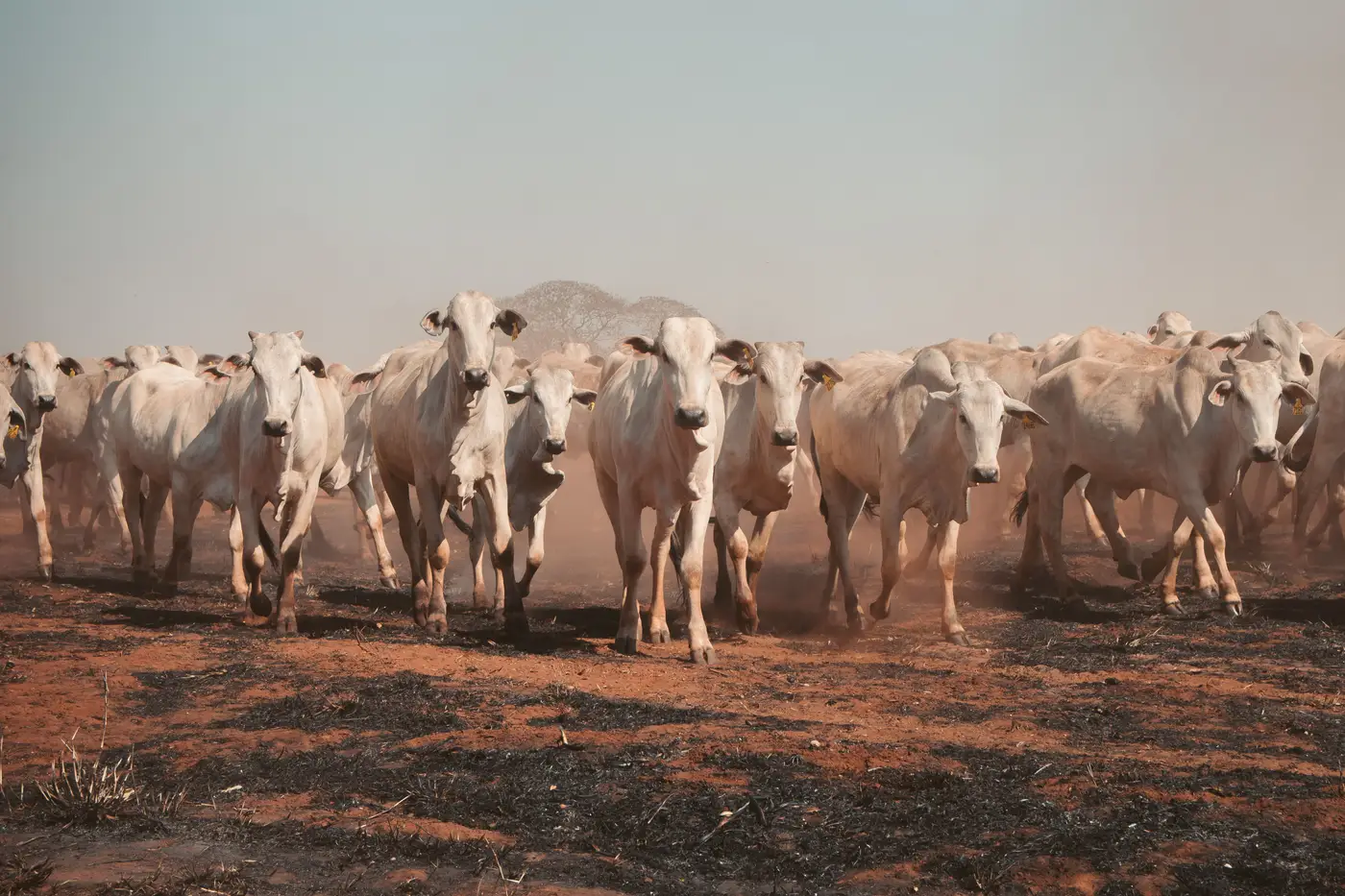
Body condition scoring reads the animal after the damage is already done. Vegetation anomaly reads the pasture while the damage is still forming. The gap between those two moments decides when you pull the trigger on destocking, supplementary feed, or cash transfers.
What each signal measures
Body condition scoring (BCS) is a field method. A scorer palpates rib cover and spine prominence on a herd, usually on a 1-to-5 or 1-to-9 scale, and the zone average gets reported up the chain. It's direct. It's also slow to show stress, because an animal doesn't lose visible condition the week forage gets thin. It loses condition after weeks of eating less than it needs, once fat reserves and then muscle start going. By the time a BCS survey flags a zone below its trigger average, the herd has already been losing weight, calving rates and milk yield for a month or more.
A vegetation index (NDVI is the common one, though there are others) pulled monthly from coarse-resolution satellite shows how green and dense the vegetation is over a grazing zone right now, set against what that same zone normally looks like at that point in the season. It measures the forage the herd depends on, weeks before the animals show any strain from losing it.
Lead time is the whole argument
A 20 to 30 percent vegetation deficit against the seasonal norm can show up in a zone while the herds in it still look fine, because standing biomass from earlier in the season hasn't run out yet. That deficit is the early flag. BCS won't move until the animals have burned through that reserve and started drawing on their own.
Vegetation anomaly buys you runway. It's the number that lets a destocking decision happen before the market floods with everyone else's cattle at the same distressed price, which is usually what happens once BCS confirms the drought everyone already suspected.
BCS still earns its place as the ground-truth check: it tells you whether the satellite read matches what herders are seeing in their own animals. One flags the problem early. The other confirms it's real. They sit in different slots on the calendar, and neither replaces the other.
Where the two disagree
Sometimes vegetation anomaly dips and condition scores hold steady. The herd may be trekking farther to reserve grazing, or an early-season dip recovered before it hit the animals. Sometimes it runs the other way: condition drops while the vegetation read looks normal, which usually points to something other than forage, like disease, a failed borehole, or parasite load in a wet year.
A mismatch like that is a reason to look closer at the zone before trusting either number alone.
Setting the calendar around both
Let the vegetation anomaly threshold set the trigger date on the calendar, and schedule the BCS survey as the confirmation step a week or two behind it. That order matches how fast each signal actually moves. Flip it, and the calendar only fires after the condition loss is already locked in.
Food Security Warning is built for the first half of that sequence: one vegetation anomaly number per zone, pulled monthly, so the trigger date on the calendar doesn't wait on a field survey that was always going to run behind the forage. If that's the gap in your current calendar, take a look at what it delivers.