Blog
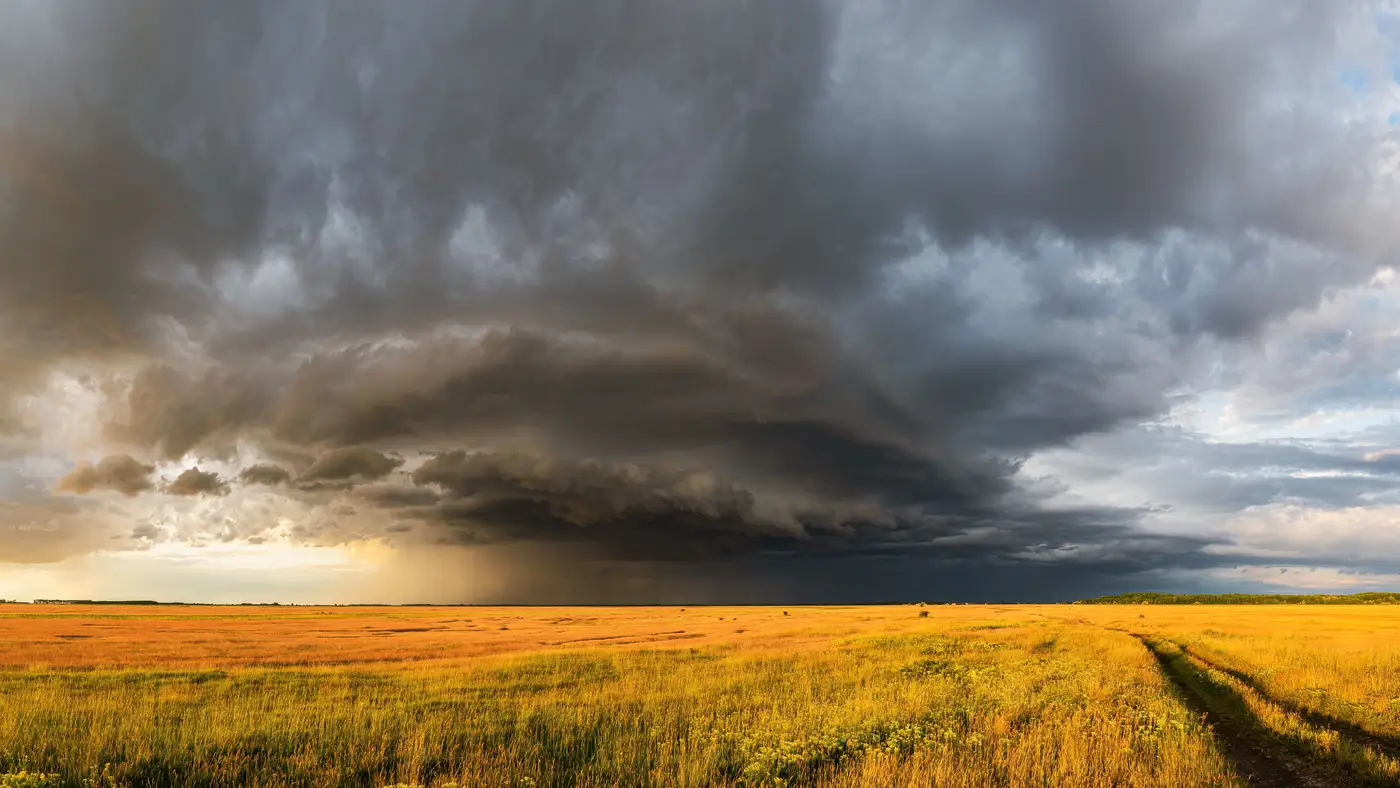 Anomaly persistence: why one bad vegetation month isn't a trigger
A single monthly dip in vegetation condition isn't the same as a sustained anomaly. Here's why most trigger mechanisms wait for confirmation.
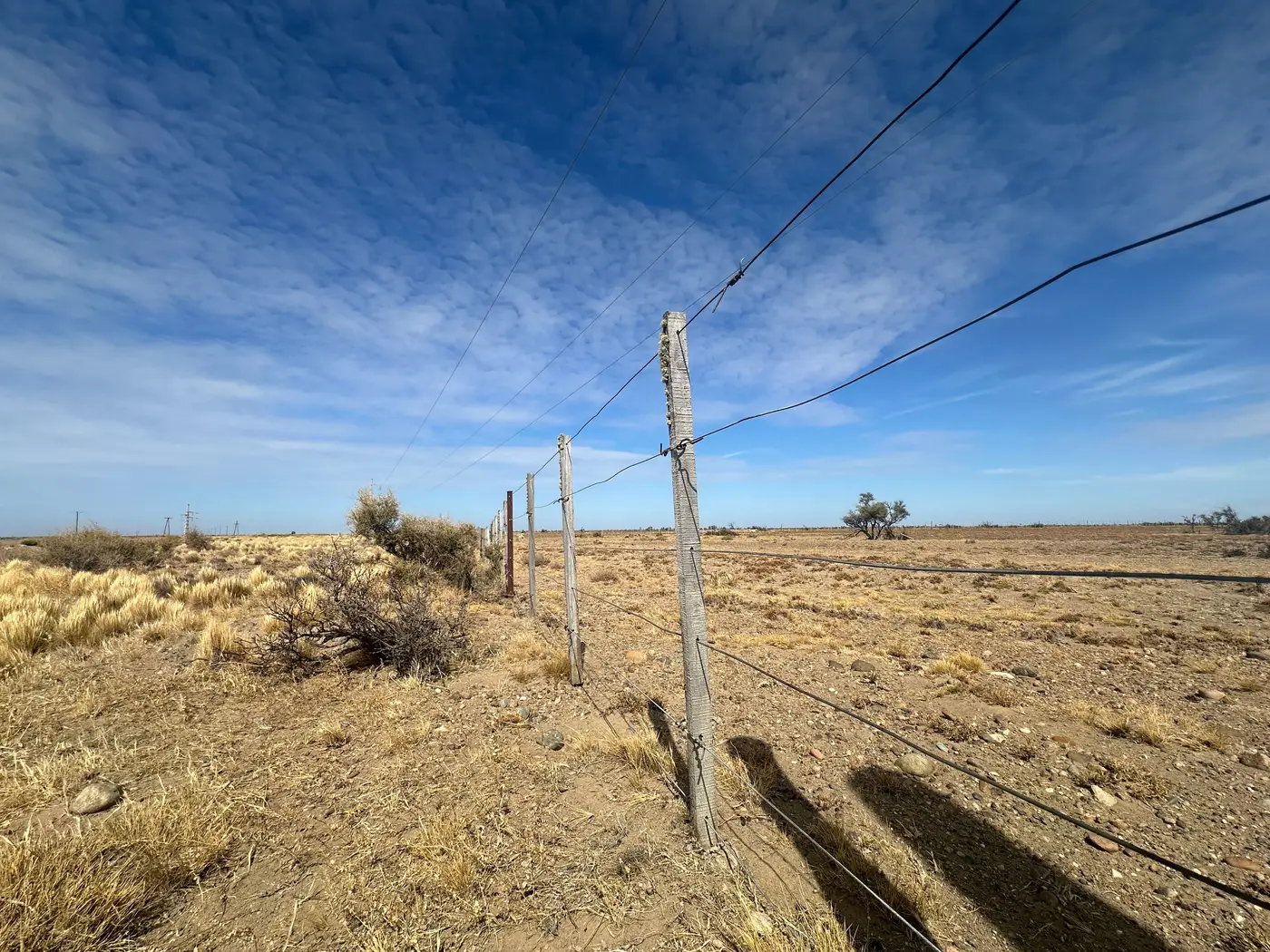 Zonal average vs. pixel-level anomaly: what a trigger calendar needs
Why an anticipatory action calendar runs on one zonal anomaly number per cropping or grazing zone, not a raw pixel-level anomaly map.
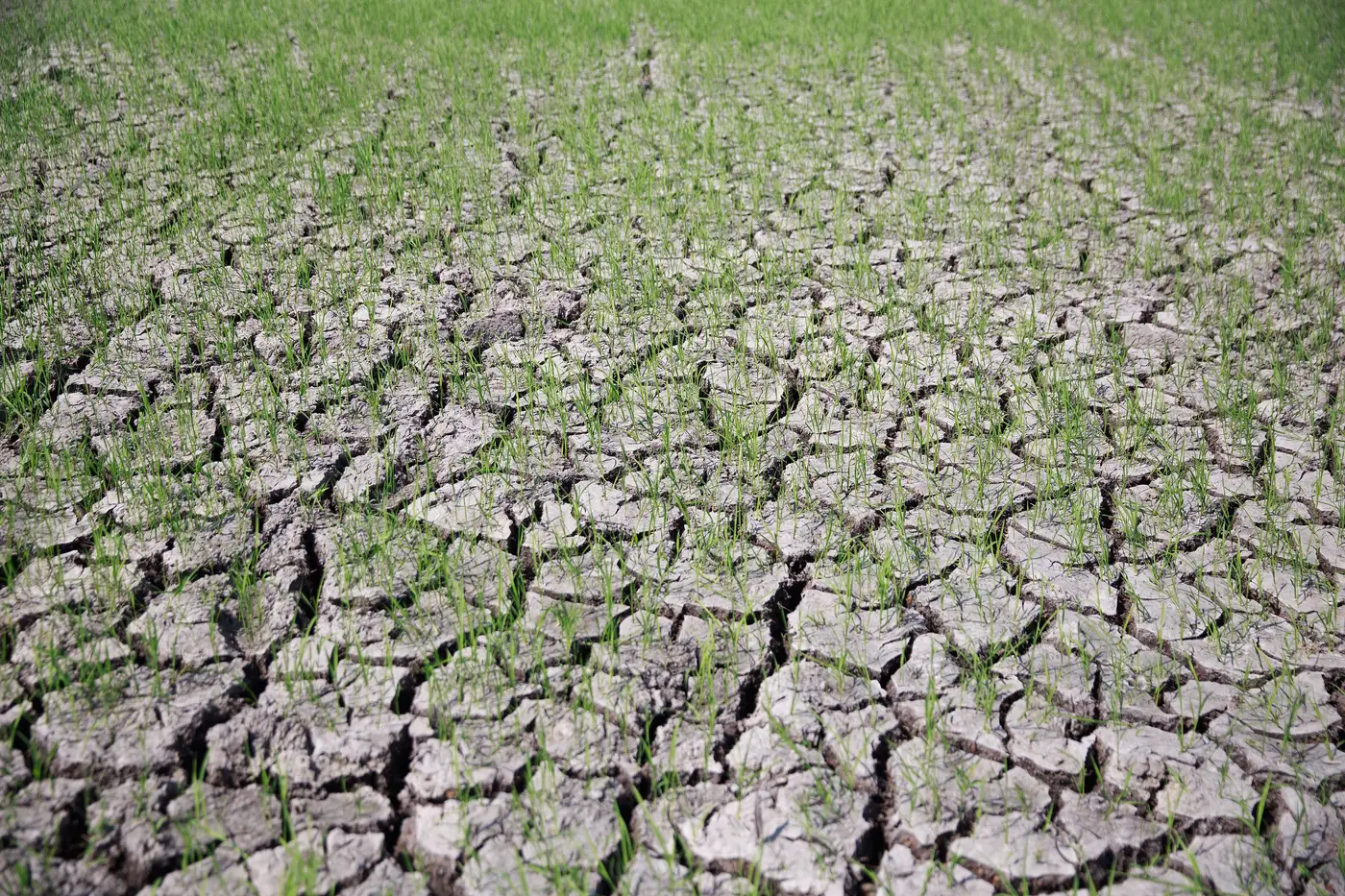 250m or 10m? Picking pixel size for a monthly vegetation anomaly trigger
A practical look at coarse vs high-resolution satellite data for monthly vegetation anomaly monitoring on an anticipatory action calendar.
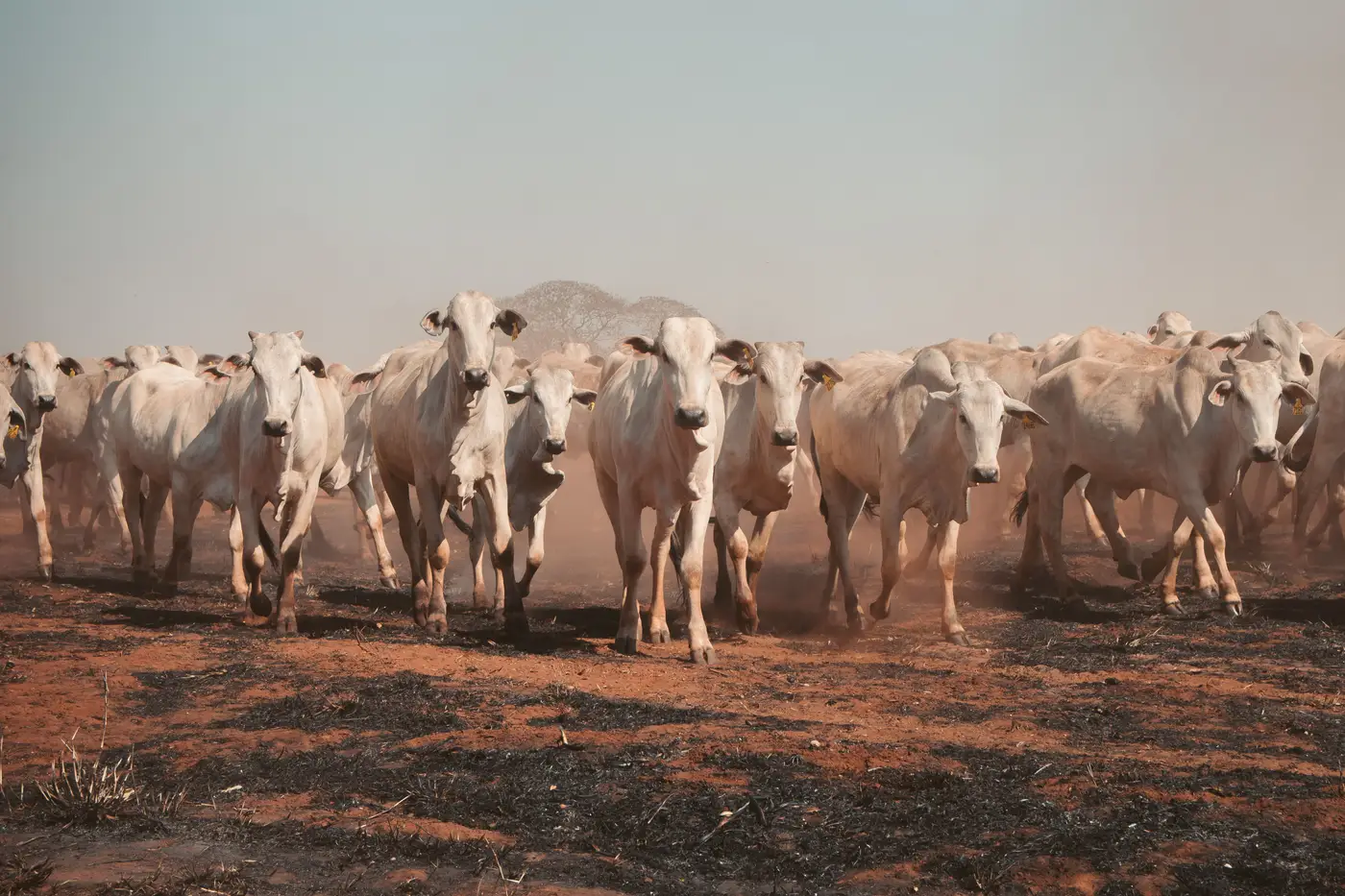 Field notes: the meeting where the anomaly color moved a budget line
A field note on the technical working group meeting where one zone flipped from amber to red, and the scramble that followed before anyone trusted the trigger.
- How to brief a disaster management authority using a monthly vegetation anomaly bulletin
How to turn a monthly vegetation anomaly bulletin into a DMA briefing the board can act on: structure, trigger language, and common mistakes.
- Body condition score vs. vegetation index: which flags pastoral drought first
BCS confirms pastoral drought after animals lose condition. Vegetation anomaly flags it weeks earlier. How the two signals compare and sequence on a calendar.
- ENSO forecast vs satellite vegetation anomaly: which one moves your calendar first
ENSO outlooks set readiness. Vegetation anomaly data triggers activation. Here's how the two signals actually sequence through an anticipatory action calendar.
- Field notes: the quarter the calendar triggered next door and not here
A look at why two neighboring zones on the same anticipatory action calendar can land on opposite sides of a trigger in the same quarter.
 How to set a lead time for an anticipatory action trigger
A method for setting trigger lead time from the response chain, checked against what the signal can tell you at that point in the season.
- Forecast-based financing vs. anticipatory action: what's the difference?
FbF and anticipatory action get used as synonyms in most briefings. Here's how the two terms split, and where the trigger sits.
- Field notes: the season the rains looked fine on the chart and the herders moved anyway
A field-notes reflection on the gap between a normal-looking rainfall chart and the moment pastoralists started moving herds early.
 Readiness trigger vs. activation trigger: what's the difference?
Readiness triggers open the prep window, activation triggers release funds. How the two gates differ in anticipatory action, and how to calendar both.
- Meteorological drought vs agricultural drought: how to tell them apart
Rainfall deficit flags risk early. Vegetation stress confirms it. Here's how the two drought signals differ and when to trust each one on a trigger calendar.
- What is an IPC phase classification, and how does satellite vegetation data feed into it?
How the IPC's five-phase scale gets decided, and where satellite vegetation anomaly data fits into the evidence an analysis runs on.
- Comparing this month's vegetation to the seasonal norm, step by step
How early-warning teams turn a monthly vegetation index pull into a seasonal-norm comparison a trigger decision can use.
- Cropping zone vs. grazing zone: reading an anomaly layer right
How to tell a cropping zone from a grazing zone on a vegetation anomaly layer, and why mixing the two skews your trigger read.
- How to read a CHIRPS rainfall anomaly map
A plain-language guide to reading CHIRPS rainfall anomaly maps, what the color scale means, and why CHIRPS blends gauge data with satellite estimates.
- VCI vs NDVI anomaly: which one belongs on your trigger sheet
VCI and NDVI z-score both flag vegetation stress, but they're built differently. Here's what each measures and which fits an anticipatory action trigger.
- What is a dekad? The 10-day clock behind rainfall monitoring
A dekad is the 10-day period satellite rainfall products run on. Here's why early warning systems use it instead of weeks or months.
- WRSI vs VCI: which water-stress signal belongs in your trigger calendar
WRSI models crop-specific water deficit; VCI reads NDVI anomaly. What each tells an analyst building a trigger calendar, and when to use which.